The Dish – A Space Nerd's Long-Overdue Pilgrimage
Why I Finally Made the Detour
I've been promising myself I'd visit Parkes Observatory for years, ever since watching The Dish for the third or fourth time (or possibly seventh, but who's counting) and thinking "I really should see that place properly." When I found myself driving back from Melbourne in January with time to spare, I finally took the detour. What started as a planned leg-stretch turned into two nights in town because some places grab you by the curiosity and refuse to let go.
As someone who's always been drawn to space and science, this felt like ticking off something genuinely important rather than just another roadside attraction featuring the world's largest potato or similar regional marvel. Sometimes those "I really should do that" moments turn into exactly the experience you hoped they would be, instead of the crushing disappointment you secretly feared.
First Sight: Bigger Than the Movies Made It Look
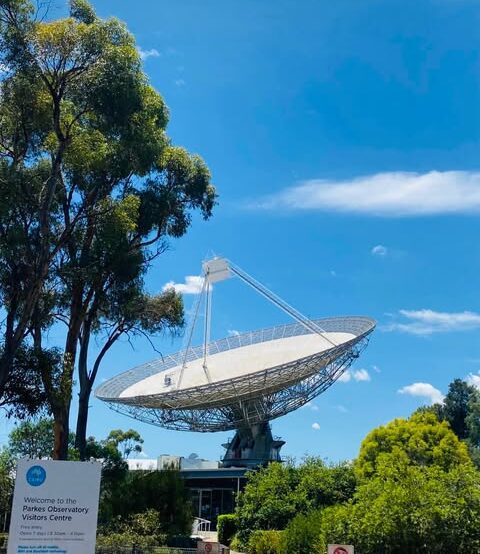
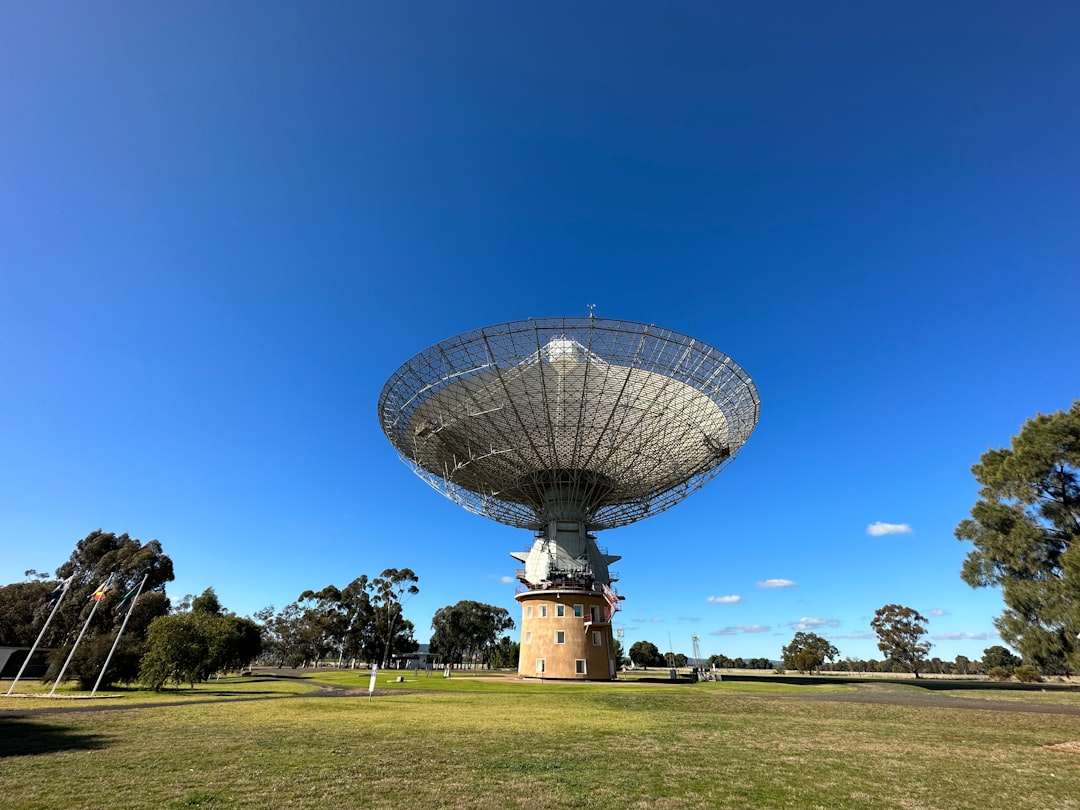
Driving up to the site, The Dish doesn't just sit there in the paddocks like some oversized satellite TV setup – it dominates them with the kind of presence that makes you understand why they built a movie around it. At 64 metres across, it looks both massive and oddly elegant, constantly moving in that slow, purposeful way that becomes genuinely mesmerising to watch. It's like having a conversation with the universe while the rest of us are still trying to find a decent mobile signal.
I'll admit, seeing it for the first time hit me harder than expected. There's something about finally standing in front of something you've thought about for years that makes you slightly emotional, even if you're the type who usually saves tears for really important things like running out of coffee.
The rural New South Wales landscape makes it even more impressive. Here's this quiet corner of farmland that helped beam Moon landing footage around the world in 1969, proving that Australians can make anything work, even when it involves convincing the rest of the world to trust our bush engineering skills. It's still quietly doing remarkable work while cows graze nearby, completely unimpressed by their proximity to cutting-edge space technology.
The Visitor Centre: Small but Perfectly Formed
The visitor centre keeps things modest in size but packs substantial content into the space, much like a good pub or a well-organised caravan. Interactive displays walk you through the science without getting bogged down in jargon that would make your high school physics teacher weep, short films give you the context, and there's a listening station where you can hear actual signals from space.
That part gave me genuine goosebumps, the kind you usually reserve for really good coffee or finding a carpark right outside Woolworths. It's one thing to know intellectually that pulsars exist out there, quite another to hear something that actually travelled from them to reach your ears, having covered more distance than most people manage in a lifetime of road trips.
I spent longer than planned just wandering through, reading everything twice because it felt important to properly absorb it, and also because I'm the type who reads instruction manuals for entertainment. The gift shop embraces the playful side of space exploration with glow-in-the-dark socks, galaxy-printed mugs, and books that make you want to revisit everything you once thought you knew about physics, assuming you knew anything about physics to begin with.
The Surrounding Peace (and Perspective)
Outside, the farmland creates the kind of quiet that makes sitting and staring feel not just acceptable but necessary, like meditation for people who are too impatient for actual meditation. The Dish continues its work overhead while you wander around at ground level, and there's something deeply satisfying about watching it track across the sky while you eat lunch on one of the picnic tables, feeling slightly superior to everyone back in the city worrying about Wi-Fi speeds.
If space and science interest you even slightly, this place offers that rare experience of feeling small in a genuinely positive way. You're standing in what feels like agricultural middle-of-nowhere, yet you're connected to something vast and ongoing that reaches beyond anything you can see, which is more than most people can say about their daily commute.
What Makes It Worth the Drive (Besides Bragging Rights)
The Dish can detect signals fainter than a mobile phone call would be from the Moon, which puts both the engineering achievement and your dodgy Telstra reception into perspective. It's still actively used today by astronomers researching black holes and pulsars, not just a monument to past achievements collecting dust like your high school trophies.
The fact that it starred in that brilliant Australian film adds another layer of connection, especially if you rewatch it before visiting. The movie captures something genuine about Australian ingenuity and the kind of quiet determination that makes projects like this work, plus it's an excellent excuse to spend an evening watching Sam Neill be charming while satellites save the day.
What I Learned From Taking My Time (and Bringing Snacks)
Check the weather forecast because while the displays are inside, The Dish reveals its best qualities when you can sit outside comfortably and let the scale of everything settle in.
I was lucky with clear skies that made the contrast between the technology and the rural setting even more striking, although knowing my luck, I probably would have found something fascinating about watching it work in the rain too.
Pack a decent lunch because there are shaded picnic tables and plenty of space to take your time, which turns out to be exactly what the place encourages. Rushing feels wrong here, like speed-reading poetry or gulping good wine. This isn't a quick photo stop for your Instagram story about being cultured.
Plan your timing carefully because the visitor centre closes earlier than you might expect, and you don't want to find yourself locked out after driving all this way, standing in a paddock questioning your life choices.
Watch the movie first if you can because it adds layers of charm and context that make the visit feel richer, and because Sam Neill deserves your attention.
Why It Stayed With Me (Besides the Sunburn)
Parkes Observatory isn't trying to impress anyone with flashy displays or manufactured excitement, which makes it refreshingly honest in a world full of attractions screaming for your attention like toddlers hopped up on sugar. It just quietly does its remarkable work while you stand there taking it all in, and somehow that makes it more impressive than any theme park version could be.
For someone who's always been fascinated by space, it delivered everything I hoped it would and then some. Sometimes the places you've been meaning to visit for years turn out to be exactly as good as you imagined they'd be, instead of disappointing you like that restaurant everyone raved about that turned out to serve microwaved pasta.
What You'll Want to Know
How long do you need?
Half a day easily, longer if you want to sit outside and properly absorb the experience without checking your phone every five minutes. I spent about three hours there and could have stayed longer if I hadn't promised myself I'd make it to the next town before dark.
Is it suitable for kids?
Absolutely. The interactive displays work well for curious minds of any age, and there's something magical about hearing space sounds that seems to fascinate children and adults equally, probably because it makes everyone feel like they're in a science fiction movie.
What's the best time to visit
?Any time during opening hours, but late afternoon light makes The Dish look particularly impressive against the sky. Clear days obviously give you the best experience for sitting outside, although I suspect watching it work in dramatic weather would be pretty spectacular too.
Is it worth the detour if you're not particularly into space?
If you appreciate engineering achievements, enjoyed the movie, or just like seeing things that prove humans can occasionally do something genuinely impressive, then yes. Even if space isn't your thing, there's something compelling about seeing technology this sophisticated working in such a rural setting, like finding a Formula One car parked outside the local pub.