Creating an Off-Grid Space That Actually Feels Like Home
When I first bought my vintage camper, a 1970s ACT Cruiser pop-top, I was full of ideas about how to make it mine. The first round of renovations happened quickly, with help from my sister. It was one of those whirlwind projects where things moved fast and mostly ended up reflecting someone else's taste rather than my own.
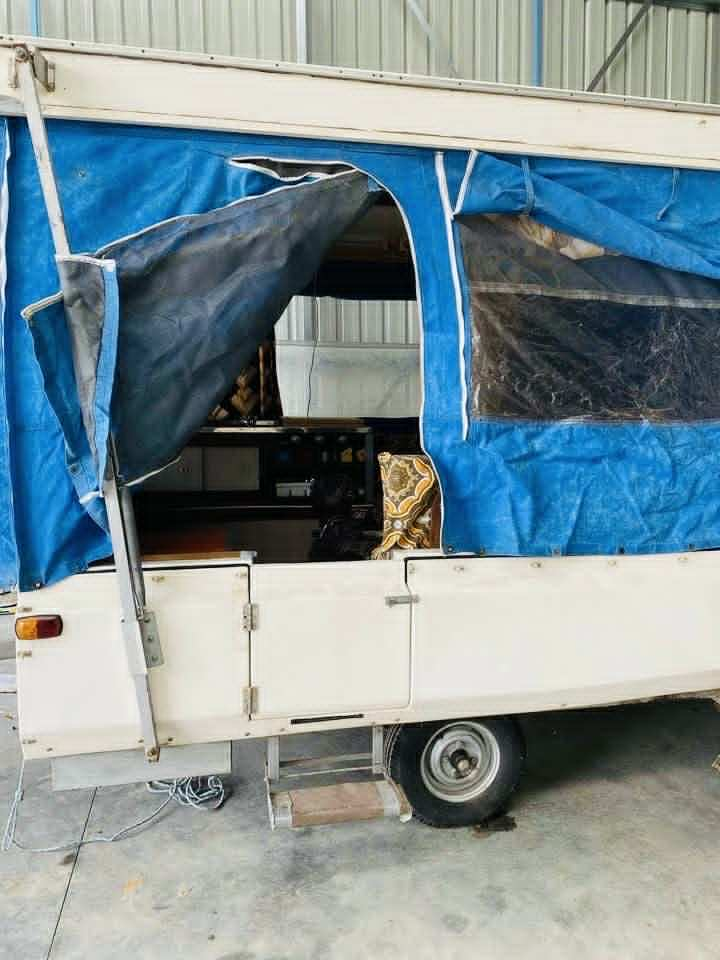
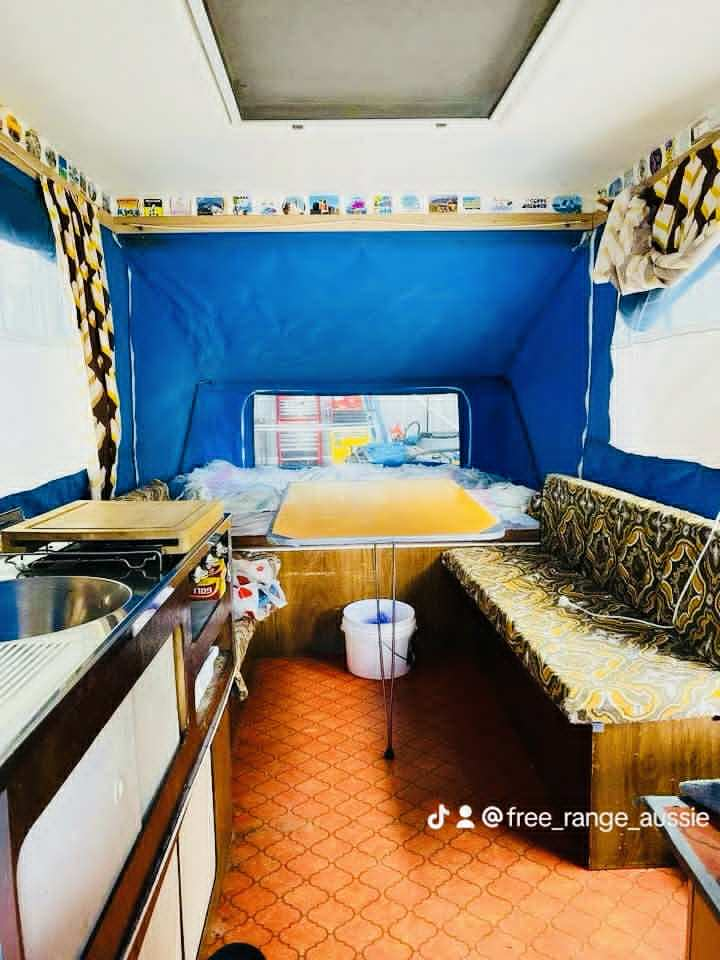
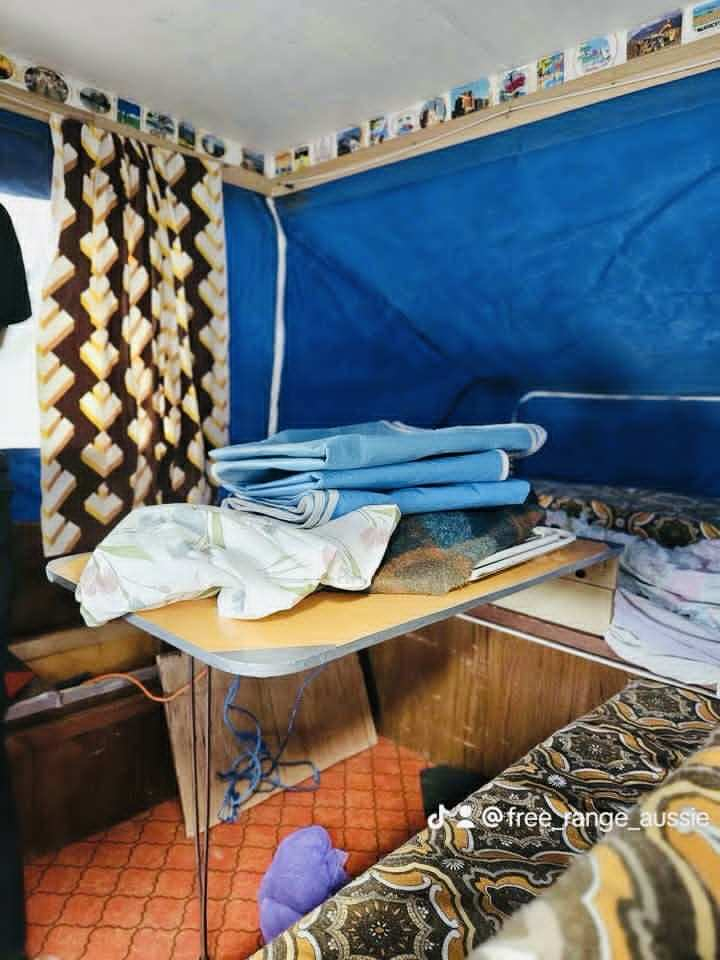
The collaboration didn't work out as well as we'd hoped - different visions, different approaches, and honestly, the finished space just didn't feel like me.
It was clean and functional, although every time I opened the camper, especially after months of it being packed away during the wet season in Darwin, it felt somehow off.
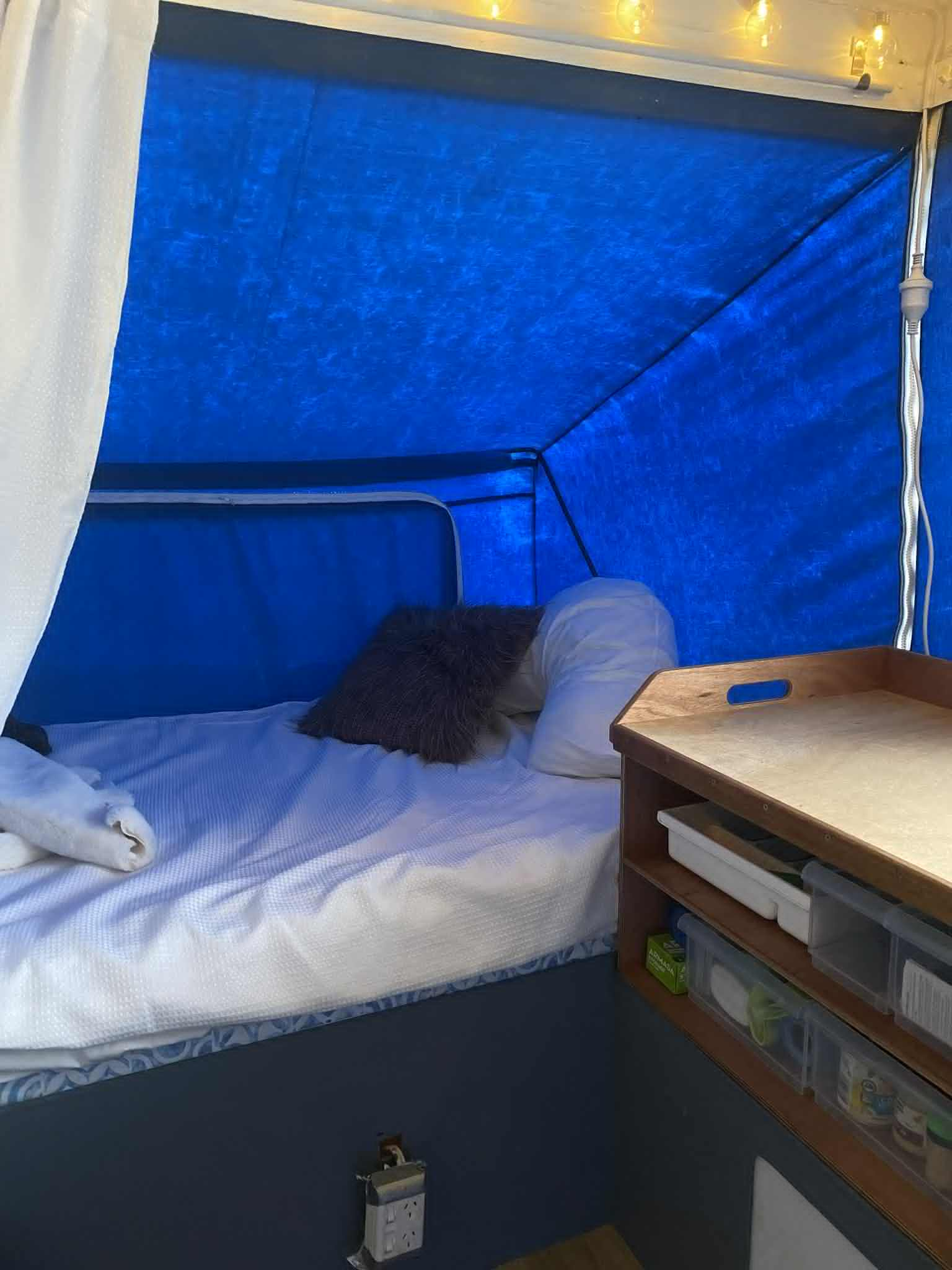
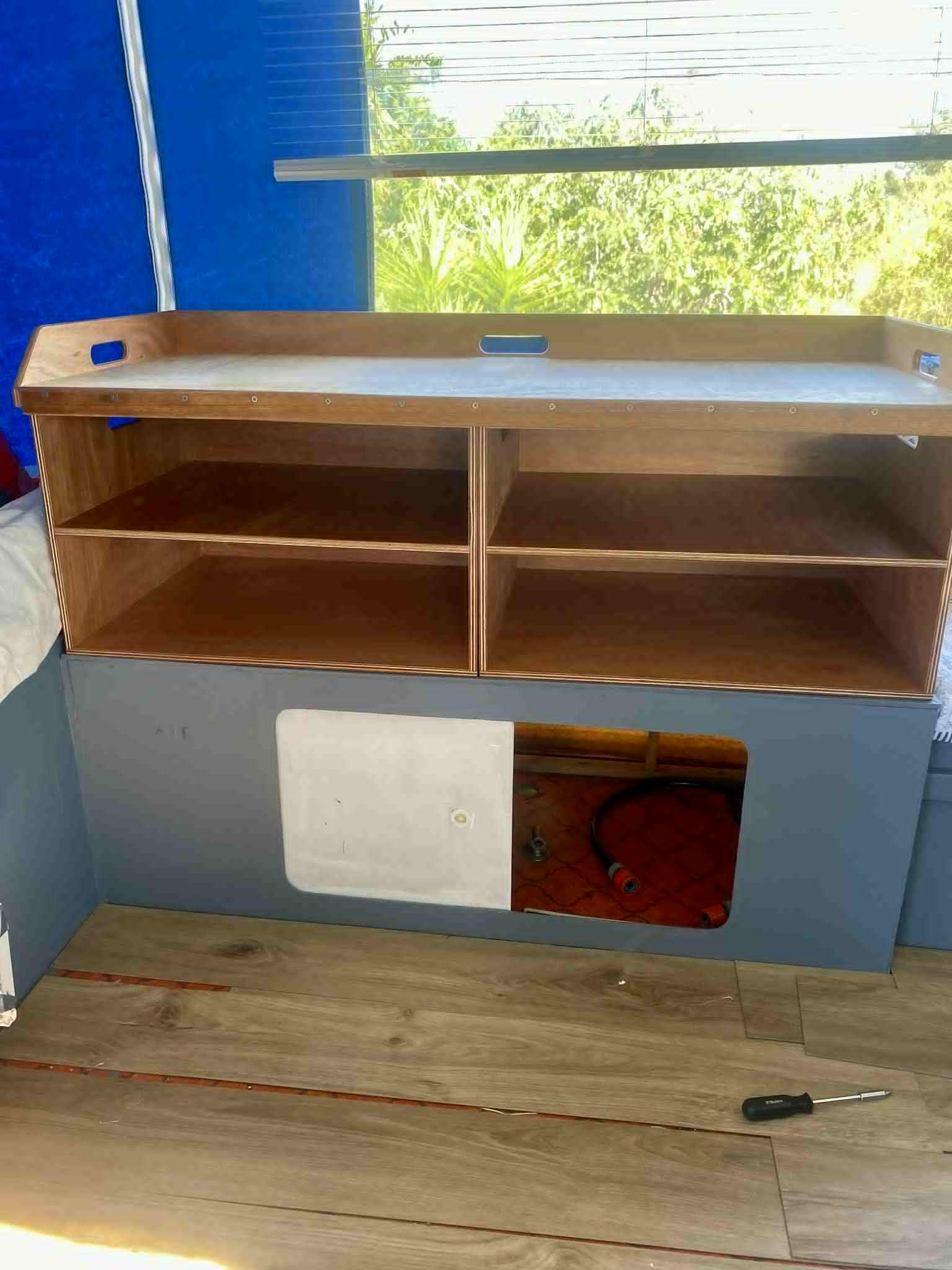
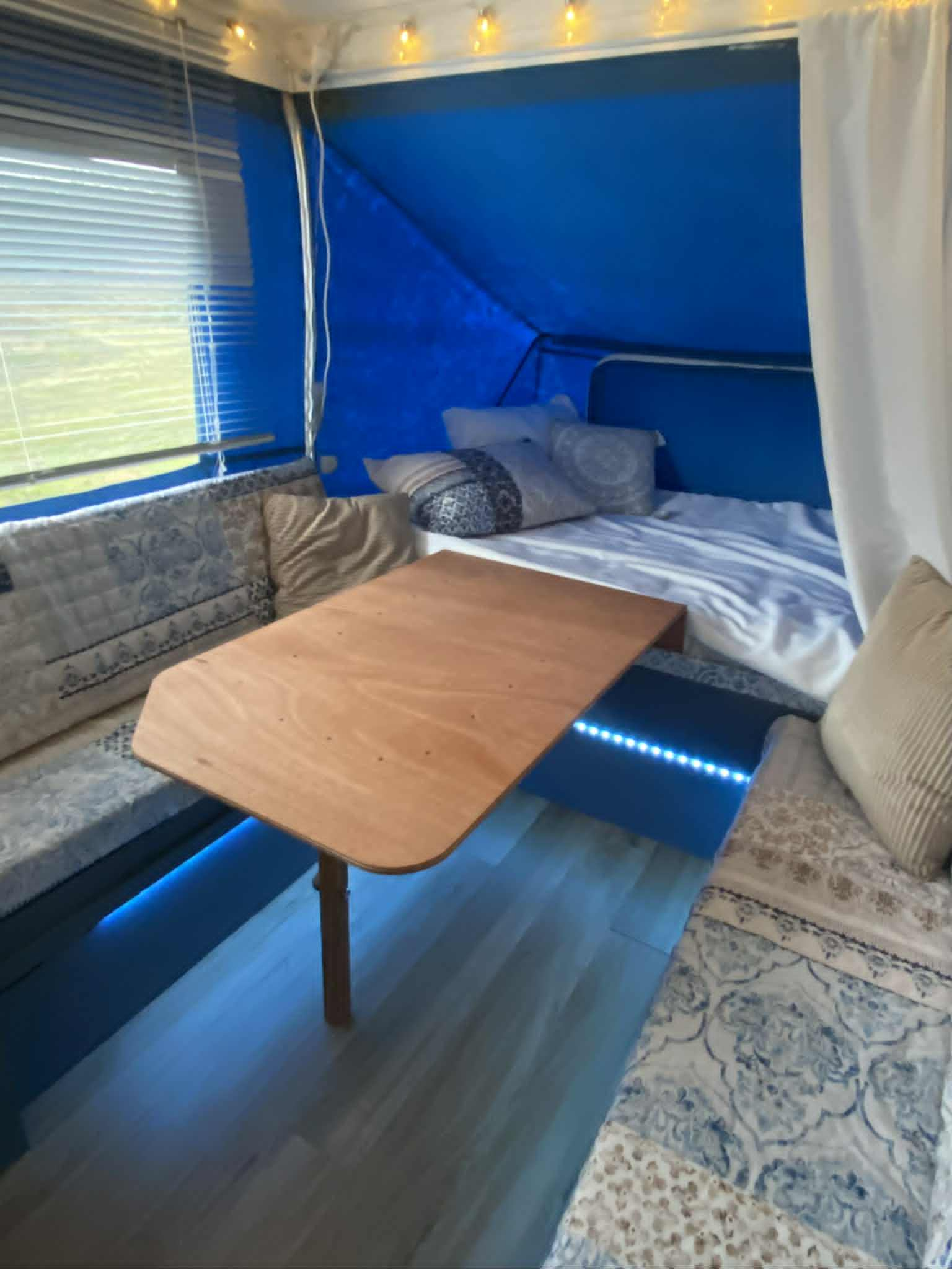
When the dry season rolled around and I aired everything out, I realised I didn't want to travel in a space that didn't feel right. So I sold the bits I didn't like and ripped out the finishes that didn't sit well with me. Slowly, methodically, I started again.
This time, I'm taking it in a completely different direction - earthy, moody, calm. Materials and colours that feel grounded and warm, the sort of space I want to wake up in when I'm camped out under a big sky somewhere. No rush this time, no compromises. Just slow, steady updates that reflect how I want to live and travel now. I wanted 'different' and that isn't just from the previous makeover, I wanted different from what most vans look like.
Starting with the Bones
The camper is really just fibreglass and timber with no insulation to speak of, so comfort in both hot and cold weather was always going to be a challenge. I started with XPS foam sheets from Bunnings under the vinyl floor planks to create a barrier between me and whatever temperature the ground happens to be throwing at me.
I've also repurposed two solid little pieces of timber that were previously just used to brace the seating area of the camper when packed up. I've attached short legs to each of these and they've now become useful and practical shelving in the 'kitchen' area.
The Colour Palette
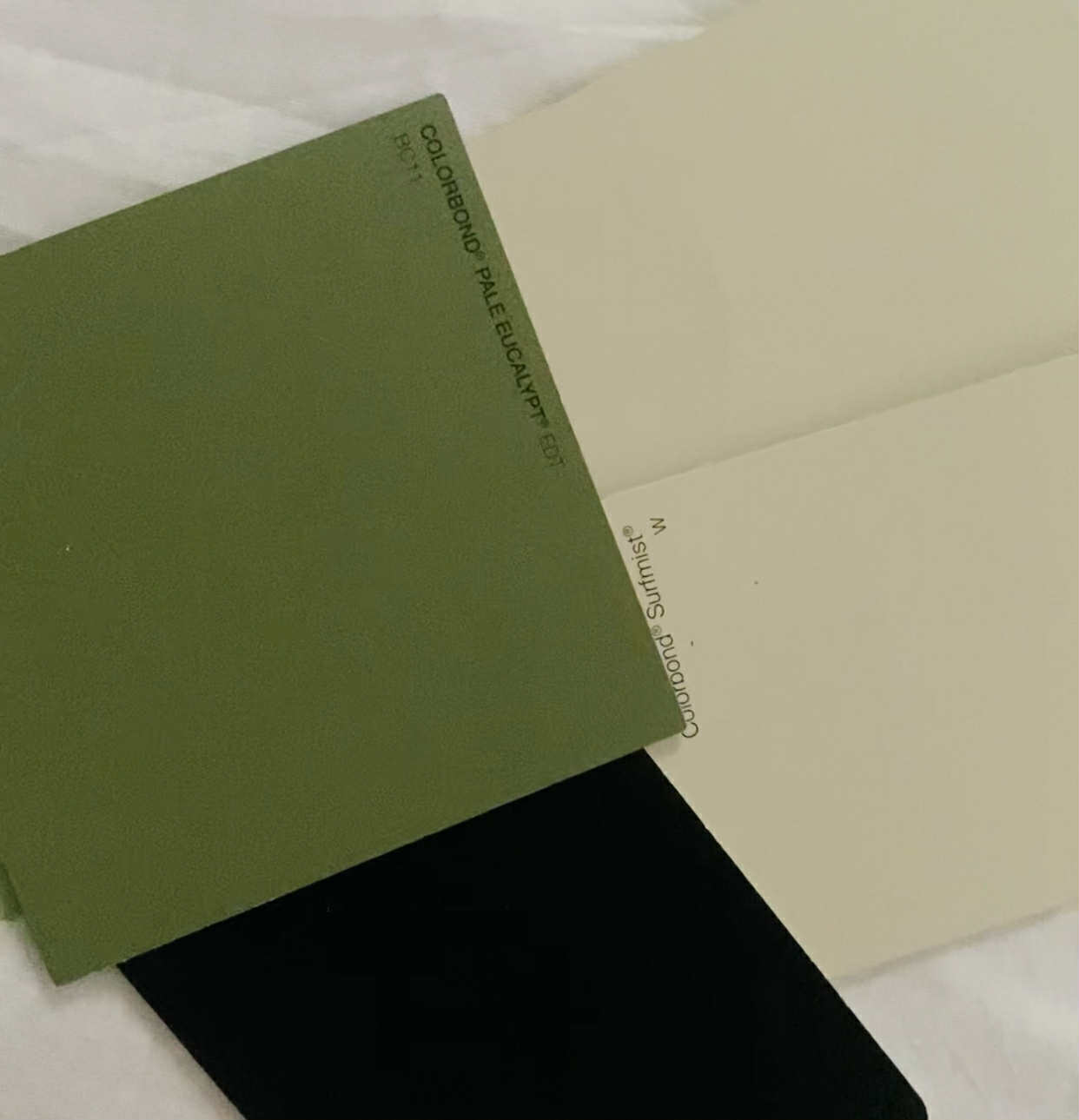
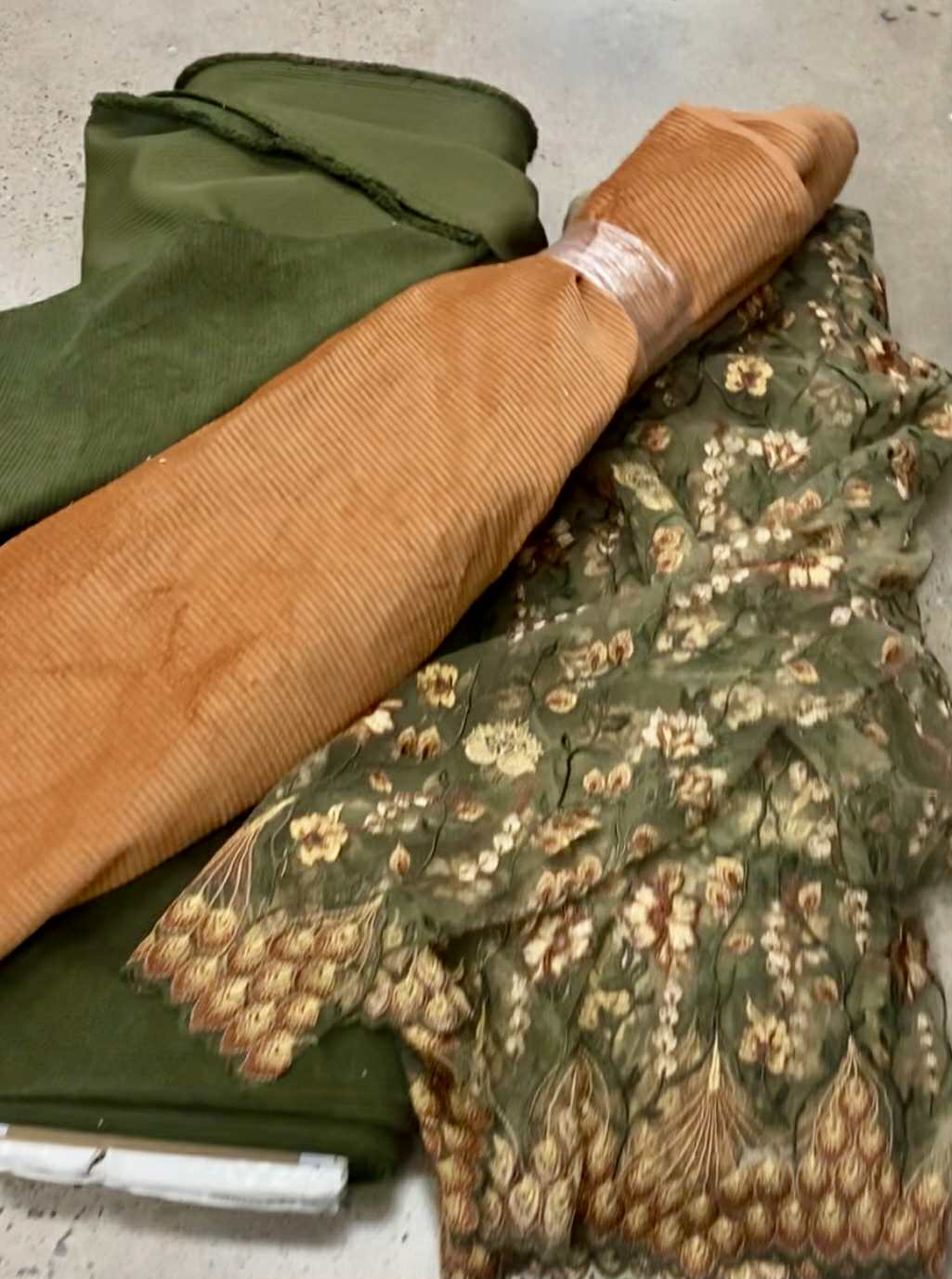
For my colour palette, I started with Colorbond Pale Eucalypt. That soft, muted green became my base, with trims in dark timber or black for contrast. I repainted the blue base cabinets in Colorbond Loft. This pairs nicely with the overall warm tones. The cushion covers are now in a chocolate brown, and I found a rich dark green fabric for the main curtains that works beautifully with the palette.
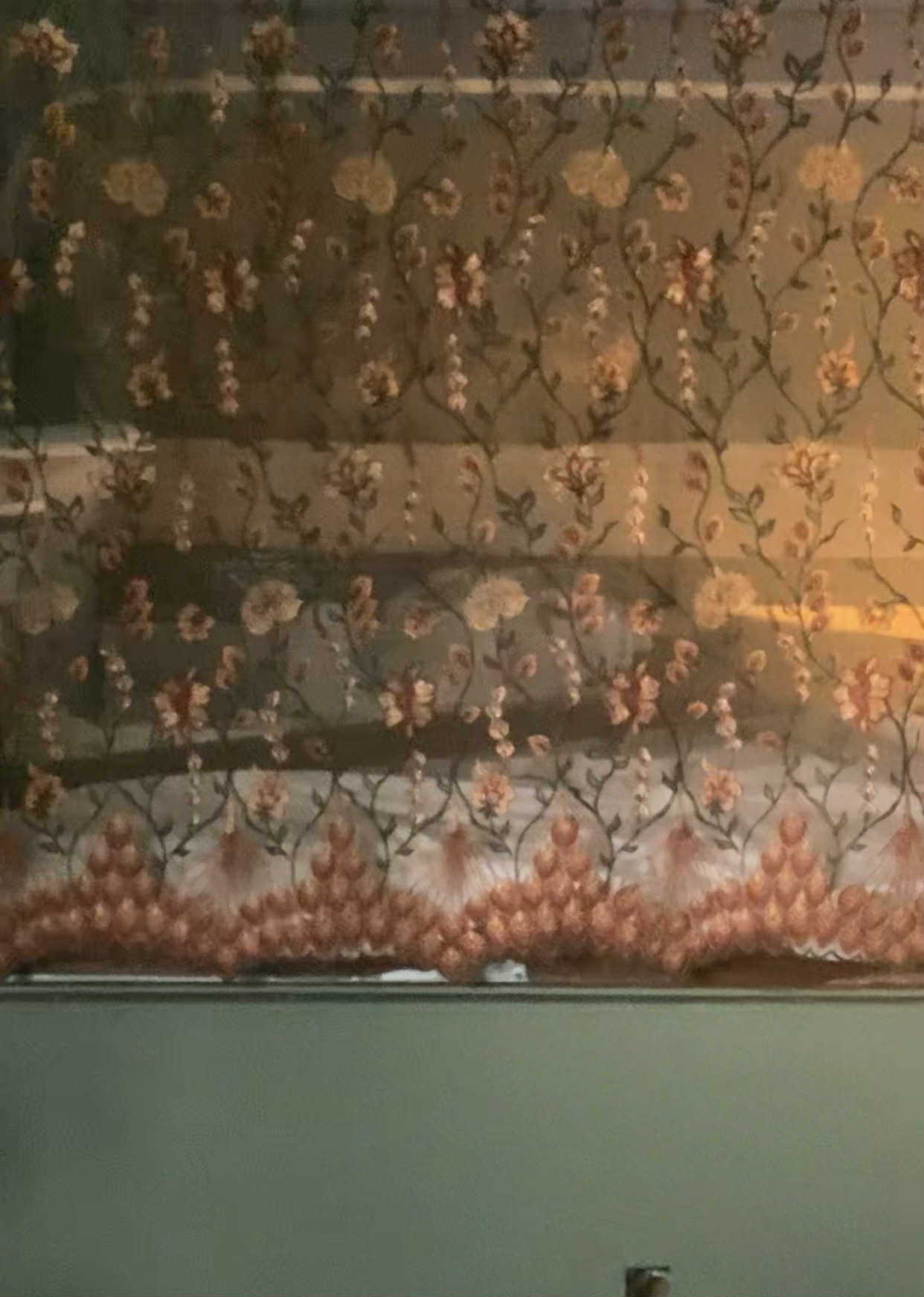
Curtains
The real find was a beautiful tulle at Spotlight that brought together all these colours, with threads of brass gold woven through that tied the whole scheme together perfectly. I couldn't resist turning it into sheer curtains at both bed ends, layered in front of the deep olive green curtains to create depth and visual interest.
The curtains hang on black tension cord. I've sewn tie-backs to the outer bottom corners so instead of opening by pushing them to each side of the van, they push back toward the rear, skimming the roof line and giving Arabian tent vibes. This keeps the fabric completely out of the way when you want the area fully open, giving clean sight lines through the entire length of the van.
The Ceiling
The ceiling was just the bare fibreglass shell, which meant dealing with condensation and temperature extremes on both ends of the spectrum. I strategically placed heavy duty Velcro strips to the roof then attached warm cream fabric that works perfectly with the overall palette. This really softens the look and gives the camper a cosy feel.
The LED lighting strip around the ceiling edges needed special attention though. I wanted to keep everything looking neat while maintaining access if needed. I've boarded these with L-shaped timber so they sit recessed, keeping the fabric clear of the lights while creating a clean, finished look.
Lighting
The remote-controlled LED strips can run from bright task lighting when you actually need to see what you're doing, right down to soft mood lighting and proper night lighting that won't destroy your night vision when you're moving around camp.
It's methodical work, though satisfying in a way the first renovation never was. Each choice feels deliberate, considered, and I'm finally building something that matches how I want to travel.
Power Problems Solved
Recessed power boards with USB outlets have been fitted into each end of the van, which means no more extension leads draped over everything or hunting for power points when you need to charge something important.
For my off-grid power, I have a BLUETTI AC180 power station and PV200 solar panel, and a second Bluetti power station. You can read more about them here.
What's Still to Come
There are more projects in the pipeline, each one solving a specific problem.
The original canvas has faded to that tired blue that screams "I've seen better decades," so I've sourced special canvas paint from Victoria in Colorbond Pale Eucalyptus to bring it into the colour scheme. It should transform the whole interior and exterior look and tie everything together visually. This canvas paint remains flexible and wont stick to itself when rolled up. I think this will blend beautifully into the Australian landscape.
The bigger picture includes a Joolca double ensuite tent and shower to create a proper shower and toilet setup, which feels like a game-changer for longer trips. This will provide hot water for showers and washing up dishes. The idea of not having to rely on caravan park facilities or cold creek baths is pretty appealing when you're planning extended stays in remote areas.
Each upgrade feels like it's building toward something cohesive and thoughtful. Not just making the space prettier, although that's certainly happening too, but making it work better for how I actually want to travel and camp.
There's something deeply satisfying about creating a space that truly reflects who you are and how you want to experience the world.